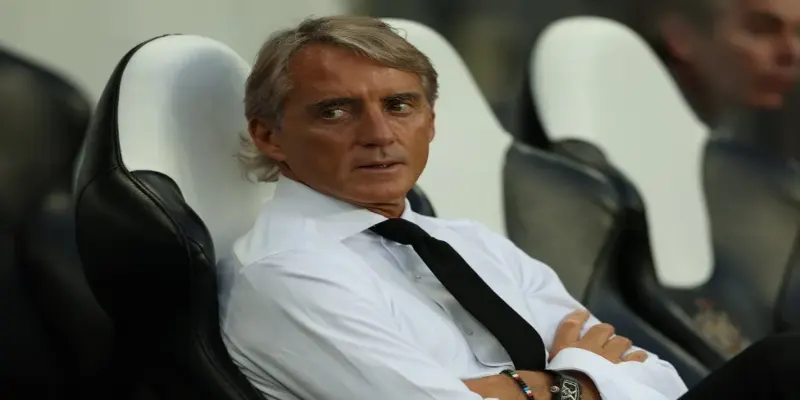
Roberto Mancini: Redefining Italian Football with Vision
Roberto Mancini stands out in Italian football, combining tactical brilliance with inspiring leadership. From his playing days to coaching, he consistently adapts strategies to get the best from his squads. His approach balances structure and creativity, allowing teams to excel under pressure. Fans following his journey on luong son witness how his influence shapes modern Italian football.
Roberto Mancini’s Coaching Career: Key Milestones
Roberto Mancini’s coaching career is punctuated by landmark achievements that showcase his evolution as a tactician and leader. His tenure at Lazio marked his first major success, where he implemented a disciplined yet attacking style that received widespread acclaim. Moving on to Inter Milan, Mancini’s tenure was characterized by winning multiple Serie A titles and the UEFA Champions League, demonstrating his capacity to manage top-tier European clubs. These milestones not only cemented his reputation domestically but also showcased his ability to compete on the continental stage.
In recent years, one of the defining moments in the Roberto Mancini coaching career was his appointment as Italy’s head coach. Facing the challenge of reinvigorating a national team that had struggled in major tournaments, Mancini introduced new tactics and fostered a sense of unity. His leadership culminated in Italy’s successful UEFA Euro 2020 campaign, a testament to his strategic vision and resilience. These career milestones reflect his growth from a tactical innovator to a seasoned leader capable of inspiring a nation’s footballing revival.
Roberto Mancini and the Italian National Team: A Revival Story
Taking over the Italian national team marked a career-defining moment. Mancini revitalized a struggling squad with possession-based play and versatile formations, climbing the highlight bóng đá of international rankings while blending discipline with flair.
Under his guidance, Italy experienced a renaissance, culminating in their triumph at UEFA Euro 2020. This victory was not merely about winning a tournament; it was a testament to Mancini’s ability to rebuild confidence across the national side. His approach to integrating young players alongside seasoned veterans fostered team cohesion and tactical flexibility, enabling Italy to adapt dynamically to different opponents. This revival story exemplifies how Roberto Mancini has reshaped Italian football by combining tactical discipline with innovative attack strategies, inspiring a new generation of Italian players and fans.
Analyzing Roberto Mancini’s Management Style
Roberto Mancini’s management style is characterized by a mix of tactical discipline, motivational prowess, and adaptability. He believes in creating a balanced team that can excel both offensively and defensively, often emphasizing possession-based play coupled with swift counter-attacks. His training sessions focus on technical precision, tactical awareness, and collective understanding, fostering an environment where players understand their roles clearly. Mancini’s leadership style also involves building strong relationships with players, earning their respect through honesty, encouragement, and constructive critique.
Personal insights suggest that Roberto Mancini‘s success lies in his flexibility. Unlike rigid coaches who adhere strictly to one system, Mancini assesses each match individually, tailoring tactics to exploit opponent weaknesses and maximize his team’s strengths. This approach requires high levels of strategic intelligence and confidence, which Mancini demonstrates consistently. His communication skills and ability to motivate players are equally vital, inspiring teams to perform beyond their perceived limits. Overall, his management style is an orchestrated blend of tactical brilliance and emotional intelligence.
Roberto Mancini’s Impact on Serie A Teams
Roberto Mancini‘s impact on Serie A teams has been profound, shaping the tactical landscape in Italy’s premier football league. His tenure at clubs like Fiorentina, Lazio, and Inter Milan transformed these teams into competitive outfits that balanced defensive solidity with attacking prowess. He introduced innovative training methods and tactical systems that influenced many coaches across Italy. His teams often played attractive football, creating a blueprint that others sought to emulate. Mancini’s influence pushed Serie A towards a more modern, tactically diverse direction.
Beyond tactical influence, Mancini’s work at Serie A clubs fostered the growth of numerous talented players who later became Italian internationals. His ability to identify and develop young talent has left a lasting dent on the league’s ecosystem. As a result, his impact extends beyond immediate results, embedding a philosophy centered around intelligent possession and attacking versatility. By elevating the standards of Serie A during his coaching stints, Roberto Mancini contributed to Italy’s reputation as a country capable of producing tactically sophisticated and aesthetically pleasing football.
The Philosophy of Roberto Mancini: Winning Through Possession
At the core of Roberto Mancini‘s coaching philosophy is the idea of winning through possession—controlling the game’s tempo, dictating play, and exploiting spaces intelligently. He believes that a team that dominates possession has the inherent tactical advantage, allowing them to dictate both offensive and defensive scenarios. His teams emphasize quick, precise passing, positional fluidity, and high pressing when out of possession—elements that combine to create a dynamic and resilient side. Mancini’s tactical setup aims to break down opponents methodically, creating scoring opportunities through patient buildup and inventive play.
This possession-based philosophy reflects Mancini’s respect for the game’s technical aspects and his desire to craft aesthetically engaging football. He sees possession as a tool to control the narrative of a match, transforming traditional Italian defensive resilience into an attacking, proactive approach. His tactical emphasis encourages players to think creatively, make intelligent decisions on the ball, and take responsibility for both attacking movements and defensive transitions. This comprehensive approach epitomizes Mancini’s modern vision of football—winning with style and strategic control.
About the Author