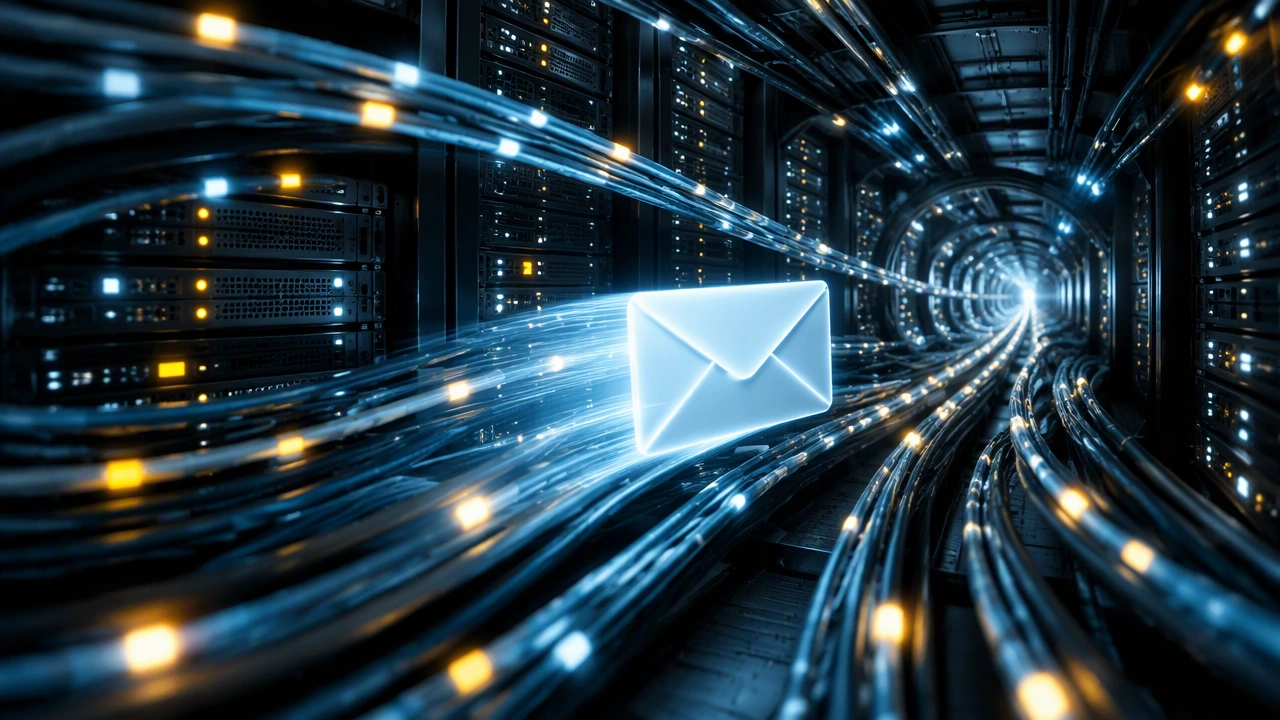
Sending an email feels instant, but dozens of internet services work together to deliver your message. When you click send, your email client connects to an outgoing mail server using SMTP, which authenticates your identity and accepts the message. The SMTP server then performs a DNS lookup to find the recipient’s mail server and establishes a connection to transfer the data. The recipient’s server receives the message, scans it for spam and malware, and places it in the appropriate mailbox. If the recipient’s server is temporarily unavailable, the sending server queues the message and retries delivery over hours or days. Protocols like SPF, DKIM, and DMARC verify that the email genuinely came from you and was not forged. Understanding this chain of services reveals why emails sometimes arrive delayed, bounce back, or land in spam folders, and it highlights the sophisticated infrastructure behind this everyday communication tool.